
The Complete Guide to Electrical Panel Upgrades: Everything Wisconsin Homeowners Need to Know This Fall
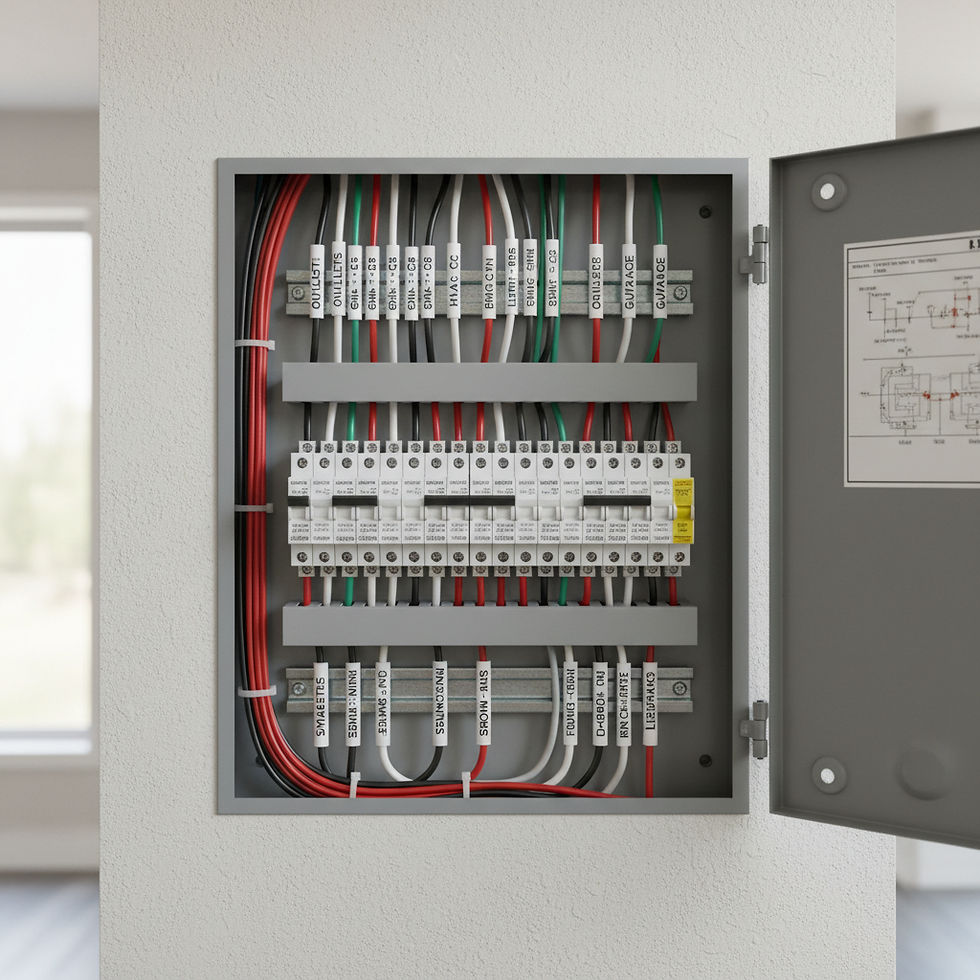
Fall is one of the best times of year to think honestly about your electrical panel, and not just because the weather is still cooperative enough to get work scheduled before winter. It's also the season when household electrical demand starts climbing fast: space heaters come out of storage, holiday lighting goes up, and shorter days mean more hours running on artificial light. If your panel has been quietly struggling, this is usually when it starts to show.
If you've ever stood in front of your electrical panel wondering whether it's actually fine or quietly a problem waiting to happen, you're not alone. It's one of the most misunderstood parts of a home, mostly because it's easy to ignore until something goes wrong. This guide walks through what your panel actually does, how to tell when it needs an upgrade, what the process looks like, and why fall specifically is the right time to deal with it rather than waiting until the cold sets in.
What Your Electrical Panel Actually Does
Your panel is the control center for every circuit in your home. Power comes in from the utility line, and the panel distributes it out to your outlets, lights, and appliances through individual breakers, each one protecting a specific circuit from overload.
When a panel is undersized, aging, or simply outdated for how a modern home uses electricity, it doesn't always fail dramatically. More often, it shows up as small, easy-to-dismiss annoyances, right up until it doesn't.
Signs Your Panel May Need an Upgrade
Flickering or dimming lights, especially when a larger appliance kicks on, usually means the panel is straining to keep up with demand.
Frequent breaker trips are your panel's way of protecting itself. An occasional trip during a storm is normal. Trips that happen regularly, especially on the same circuit, mean something is being asked of that circuit that it can't reliably deliver.
Heat, discoloration, or a burning smell near the panel is never something to wait on. This points to a real electrical problem and should be looked at promptly.
A fuse box instead of breakers is one of the clearest signs of an outdated system. Fuse boxes were standard decades ago, but they're not built for the electrical load of a modern household, and many insurance companies now flag them during underwriting.
No room to add what you need. This is increasingly common. Homeowners come to us wanting an EV charger, a home office, a hot tub, or just more capacity for everyday appliances, and hear that there's simply no room left in the panel. That's not a workaround situation, it's a sign the panel has reached its limit.
Breakers tripping the moment you plug in a space heater. This one shows up almost exclusively in fall and winter, and it's one of the clearest seasonal signs of a panel under strain. A single space heater can draw more power than people expect, and a panel that's already close to its limit often can't absorb that extra load gracefully.
Why Panels Become Outdated in the First Place
Homes built even 20 to 30 years ago were wired for a very different relationship with electricity. Fewer devices, no EV chargers, no home offices packed with equipment, no smart home systems running continuously in the background. A panel that was perfectly adequate when a house was built can become genuinely undersized as the way a family uses electricity evolves, without anyone doing anything wrong.
This is also why panel condition matters so much during a home purchase. A panel that was fine for the previous owner may not be fine for how you actually plan to live in the house.
What a Panel Upgrade Actually Involves
A panel upgrade typically includes:
Removing the old panel and safely disconnecting existing circuits
Installing a new panel sized appropriately for your home's actual and anticipated electrical load
Rewiring circuits to the new panel, including proper grounding
Installing new breakers matched to your home's circuits
Labeling the new panel clearly, so every breaker is identifiable at a glance
Pulling the required electrical permit and coordinating the inspection
That last part matters more than people expect. Permits exist for a reason, and skipping one on a job like this isn't just a technicality. An unpermitted panel upgrade can create real problems later, during a home sale, an insurance claim, or simply if something ever needs to be serviced by someone unfamiliar with the work that was done.
How Long Does It Take?
A straightforward residential panel upgrade typically takes the better part of a day, sometimes longer depending on the condition of the existing wiring and whether anything unexpected is found once the old panel comes out. Power to the home is off for a portion of that time, which is worth planning around, especially in extreme weather.
What Determines the Cost
A few factors drive the price of a panel upgrade more than anything else:
Amperage. Moving from 100A to 200A service is the most common upgrade, and a larger jump generally costs more than a smaller one.
Condition of existing wiring. If wiring elsewhere in the home is outdated or doesn't meet current code, addressing that alongside the panel itself adds to the scope.
Utility coordination. In some cases, the utility company needs to be involved to upgrade the service line coming into the home, which is a separate step from the panel work itself.
Permit fees, which vary by municipality across our service area.
This is exactly why we don't publish a flat, one-size-fits-all price for panel upgrades. It genuinely depends on what's actually going on at your specific home, which is why we start with an assessment rather than a guess.
What to Look For in an Electrician for This Job
A panel upgrade is not the job to hand to whoever's cheapest or fastest. A few things worth confirming with any electrician before hiring them for this specific work:
Are they a licensed electrician, and ideally, do they hold credentials beyond the basic license
Are they insured and bonded
Will they pull the required permit, or are they suggesting you skip it
Do they explain what they find, rather than just quoting a number and moving forward
Steve Komas, owner of Komas Electric, is a licensed Wisconsin Master Electrician and holds a Wisconsin UDC-Electrical Inspector certification, meaning he's trained to the same standard used to inspect electrical work for code compliance, not just perform it. Every panel upgrade we do is permitted, inspected, and documented properly.
Why Fall Is the Right Time for This
Beyond the seasonal load increase, there are a few practical reasons fall is genuinely the better window for a panel upgrade than waiting until winter.
Scheduling is easier now. Once the first cold snap or storm hits, every electrician in the area gets the same calls at once, and appointment availability tightens up fast. Getting ahead of that means you're not waiting weeks for a fix you needed immediately.
Power gets shut off during the upgrade. A panel upgrade requires the home's power to be off for part of the day. That's a much easier thing to plan around in October than during a January cold snap.
You'll want capacity in place before you need it. If holiday lighting, a new space heater, or extra guests during the holidays are anywhere in your plans, having the panel sorted out beforehand means one less thing to worry about once the season actually arrives.
Do You Actually Need an Upgrade Right Now?
Not every home needs a panel upgrade immediately, even if it's older. Sometimes a smaller correction, like addressing a specific overloaded circuit or fixing a wiring issue, solves the actual problem without a full panel replacement. This is exactly why we offer a free assessment before recommending anything. We'd rather tell you honestly what your home needs than sell you more than necessary.
Serving Southeastern Wisconsin
Komas Electric provides panel upgrades and full electrical services across Jefferson, Rock, Dane, Waukesha, Dodge, Walworth, Columbia, and Washington counties, with surrounding areas served as well. Whether you're dealing with one of the warning signs above or simply want peace of mind before winter arrives, we're happy to take a look.
No job is too small, and no panel is too outdated to talk through honestly. Fall is the easiest time to get this handled. Reach out anytime.
Komas Electric LLC (262) 208-4808 | komaselectric.com
