The Complete Guide to Backup Generators: What Every Wisconsin Homeowner Should Know Before Winter


Every fall, the same pattern plays out across Wisconsin. The first real storm knocks out power for a few hours, or a few days, and suddenly everyone who's been putting off a generator decision is calling around at once. This guide covers what actually matters before you buy one, and why the electrical work behind it matters more than the generator itself.
Why a Generator Alone Isn't Enough
A lot of homeowners assume the hard part is picking the right generator. It isn't. The generator is the easy decision. What actually determines whether a backup power setup is safe and effective is how it connects to your home's electrical system, and that's where a proper installation matters far more than the brand or wattage printed on the box.
The Transfer Switch: The Part That Actually Matters
A transfer switch is what safely connects a generator to your home's wiring. Without one, plugging a generator directly into an outlet or improvising a connection creates a serious hazard called backfeed, where electricity from your generator flows backward into the utility lines. This isn't just a risk to your own home. It can injure or kill utility workers who are out repairing lines, believing them to be de-energized.
A properly installed transfer switch does two things at once: it isolates your home from the grid while the generator is running, and it lets you choose which circuits the generator actually powers, since most home backup generators aren't sized to run an entire house at full capacity.
Types of Generator Setups
Portable generators with a manual transfer switch. The most common and affordable setup for many homes. You start the generator manually during an outage, and the transfer switch lets you safely power selected circuits, typically things like the furnace, refrigerator, sump pump, and a few key outlets.
Standby generators with an automatic transfer switch. These are permanently installed, run on natural gas or propane, and turn on automatically within seconds of a power loss, no manual startup required. They're a larger upfront investment but provide seamless backup, particularly valuable for homes with medical equipment, sump pumps in flood-prone areas, or anyone who travels and wants power protected even when no one's home.
Sizing: Why Bigger Isn't Automatically Better
Generator sizing depends on what you actually want to keep running during an outage, not just buying the biggest unit available. A generator that's undersized won't reliably run what you need. One that's oversized costs more upfront and in fuel than necessary. Getting this right requires an honest look at your home's actual circuits and priorities, which is exactly why sizing should happen alongside an electrical assessment, not before one.
What the Installation Process Actually Involves
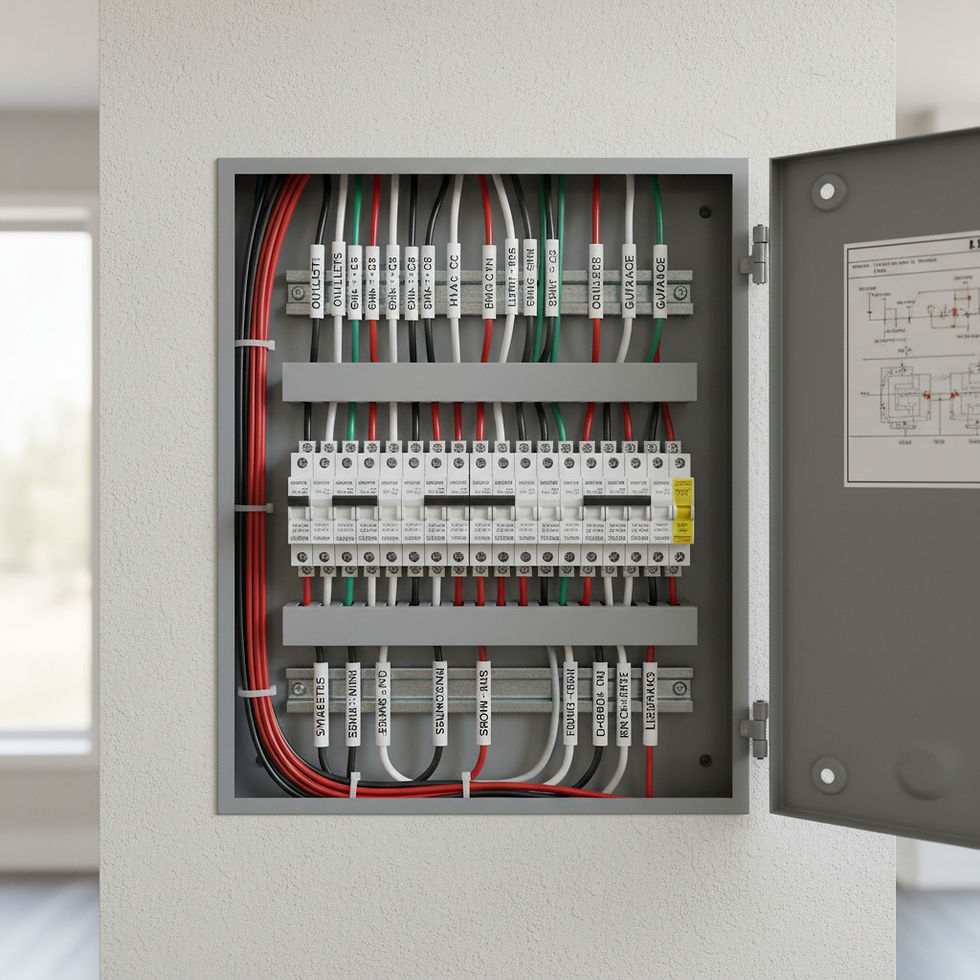
An assessment of your home's electrical panel and which circuits should be prioritized during an outage
Installation of the transfer switch itself
Wiring the transfer switch to the selected circuits and to the generator connection point
For standby systems, coordination with a gas or propane line installer
Pulling the required electrical permit and coordinating inspection
Testing the complete system to confirm it functions correctly before you actually need it
Why Fall Is the Right Time to Handle This
Once the first major storm of the season hits, every electrician in the area gets the same calls at once, and installation timelines stretch out fast. A generator hookup done in October means it's tested, working, and ready before you actually need it in January, rather than becoming an emergency scramble during the exact week you can least afford to wait.
Common Mistakes We See
Buying the generator before the electrical assessment. This often leads to a mismatch between what the generator can supply and what the home's panel and circuits are actually set up to receive.
Skipping the permit. An unpermitted generator installation can create real problems later, particularly with insurance claims if something ever goes wrong, and during a home sale if a buyer's inspector flags it.
Assuming a portable generator can be safely connected without a transfer switch. This is the single most dangerous shortcut homeowners take, and it's also the easiest thing to do correctly with the right installation.
What to Ask Before Hiring Someone for This Job
Are they licensed and insured
Will they pull the required permit
Do they size the system based on an actual assessment of your home, or just sell you a generator
Do they test the complete system before calling the job finished
Steve Komas, owner of Komas Electric, is a licensed Wisconsin Master Electrician and certified UDC-Electrical Inspector. Every generator installation we complete is assessed, permitted, properly wired, and tested before we consider the job done.
Serving Southeastern Wisconsin
Komas Electric installs generator hookups and transfer switches across Jefferson, Rock, Dane, Waukesha, Dodge, Walworth, Columbia, and Washington counties, with surrounding areas served as well. Whether you're considering your first backup generator or need an existing setup inspected before winter, we're happy to help you figure out what your home actually needs. Reach out anytime.
Komas Electric LLC (262) 208-4808 | komaselectric.com